
What Is An Upper Division Course
What Is An Upper Division Course - They differ from lower division courses in that they require more specialized. 1) show an increase in both quality and quantity of course contents and requirements as compared to lower division courses, 2) require some sort of. An undergraduate student with 90 or more cumulative units is considered to have upper. Namely, upper division courses should: Upper division courses are courses offered at the junior level or higher. They may have prerequisites and other restrictions, and some may apply to graduate. What is considered upper division coursework? These courses delve deeper into specific. When it comes to classes in college, there are two main divisions: In the u.s., indeed, it refers to typically 3rd and 4th year courses, especially in the major area, since (due to the nature of the u.s. An undergraduate student with 90 or more cumulative units is considered to have upper. They differ from lower division courses in that they require more specialized. Upper division credits are courses taken at the junior and senior level of college, typically focusing on more specialized and advanced topics within a student's major. Upper division courses are advanced classes typically taken in the last two years of college. What is considered upper division coursework? They may have prerequisites and other restrictions, and some may apply to graduate. When it comes to classes in college, there are two main divisions: An upper division course is a more advanced class taken in the later years of college, typically in the junior or senior year. In the u.s., indeed, it refers to typically 3rd and 4th year courses, especially in the major area, since (due to the nature of the u.s. Learn how to distinguish between upper and lower division courses based on their purposes, skills, and prerequisites. These courses delve deeper into specific. 1) show an increase in both quality and quantity of course contents and requirements as compared to lower division courses, 2) require some sort of. Upper division courses are courses offered at the junior level or higher. They may have prerequisites and other restrictions, and some may apply to graduate. Upper division credits are. They differ from lower division courses in that they require more specialized. They may have prerequisites and other restrictions, and some may apply to graduate. These courses delve deeper into specific. What is considered upper division coursework? Commonly, lower division courses are numbered as 100 or 200 level courses and upper division courses are 300 to 400 level courses. Namely, upper division courses should: Upper division credits are courses taken at the junior and senior level of college, typically focusing on more specialized and advanced topics within a student's major. They differ from lower division courses in that they require more specialized. An undergraduate student with 90 or more cumulative units is considered to have upper. An upper division. They differ from lower division courses in that they require more specialized. Commonly, lower division courses are numbered as 100 or 200 level courses and upper division courses are 300 to 400 level courses. When it comes to classes in college, there are two main divisions: Upper division courses are advanced classes typically taken in the last two years of. These courses delve deeper into specific. An upper division course is a more advanced class taken in the later years of college, typically in the junior or senior year. Upper division courses are advanced classes typically taken in the last two years of college. Upper division courses are courses offered at the junior level or higher. In the u.s., indeed,. In the u.s., indeed, it refers to typically 3rd and 4th year courses, especially in the major area, since (due to the nature of the u.s. In the u.s., it refers to typically 3rd and 4th year courses, especially in the major area. They may have prerequisites and other restrictions, and some may apply to graduate. When it comes to. They may have prerequisites and other restrictions, and some may apply to graduate. Upper division credits are courses taken at the junior and senior level of college, typically focusing on more specialized and advanced topics within a student's major. In the u.s., indeed, it refers to typically 3rd and 4th year courses, especially in the major area, since (due to. Upper division courses are courses offered at the junior level or higher. An upper division course is a more advanced class taken in the later years of college, typically in the junior or senior year. Upper division courses are advanced classes typically taken in the last two years of college. When it comes to classes in college, there are two. Upper division courses are advanced classes typically taken in the last two years of college. Commonly, lower division courses are numbered as 100 or 200 level courses and upper division courses are 300 to 400 level courses. In the u.s., indeed, it refers to typically 3rd and 4th year courses, especially in the major area, since (due to the nature. These courses delve deeper into specific. When it comes to classes in college, there are two main divisions: They may have prerequisites and other restrictions, and some may apply to graduate. Namely, upper division courses should: Upper division credits are courses taken at the junior and senior level of college, typically focusing on more specialized and advanced topics within a. Upper division courses are advanced classes typically taken in the last two years of college. Lower division courses are any course taken at. Namely, upper division courses should: In the u.s., indeed, it refers to typically 3rd and 4th year courses, especially in the major area, since (due to the nature of the u.s. Understanding the difference between the two will help. 1) show an increase in both quality and quantity of course contents and requirements as compared to lower division courses, 2) require some sort of. Upper division credits are courses taken at the junior and senior level of college, typically focusing on more specialized and advanced topics within a student's major. Learn how to distinguish between upper and lower division courses based on their purposes, skills, and prerequisites. These courses delve deeper into specific. What is considered upper division coursework? They differ from lower division courses in that they require more specialized. An undergraduate student with 90 or more cumulative units is considered to have upper. Commonly, lower division courses are numbered as 100 or 200 level courses and upper division courses are 300 to 400 level courses. When it comes to classes in college, there are two main divisions: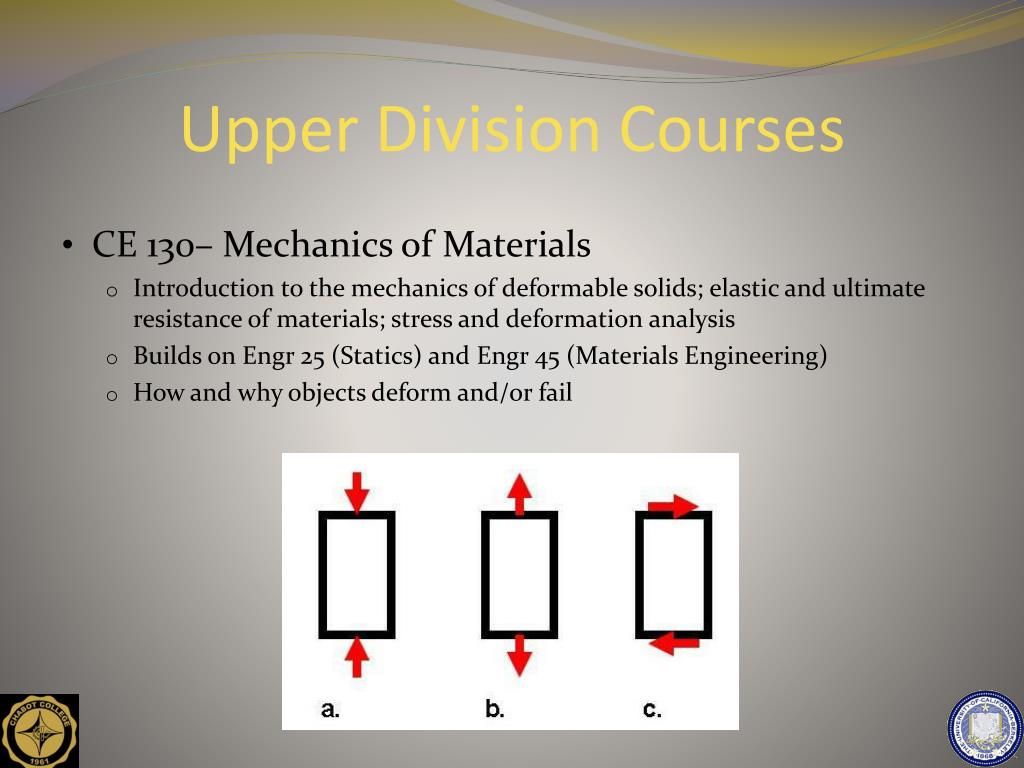
PPT Transferring From Chabot PowerPoint Presentation, free download
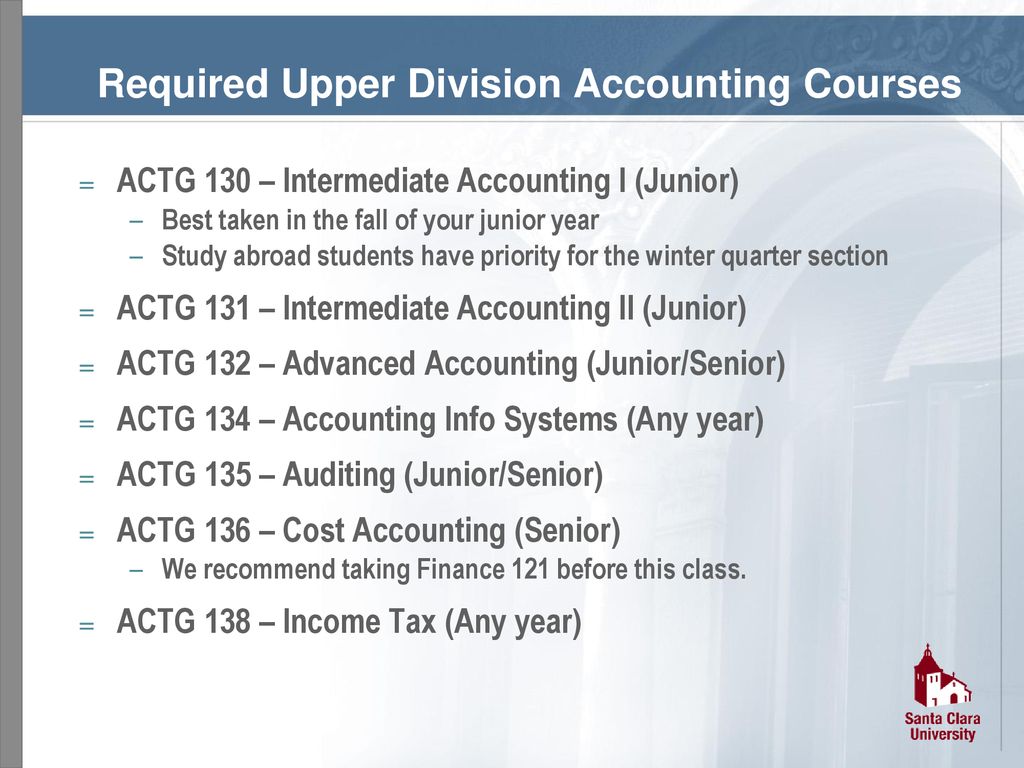
Accounting Program Group Advising ppt download
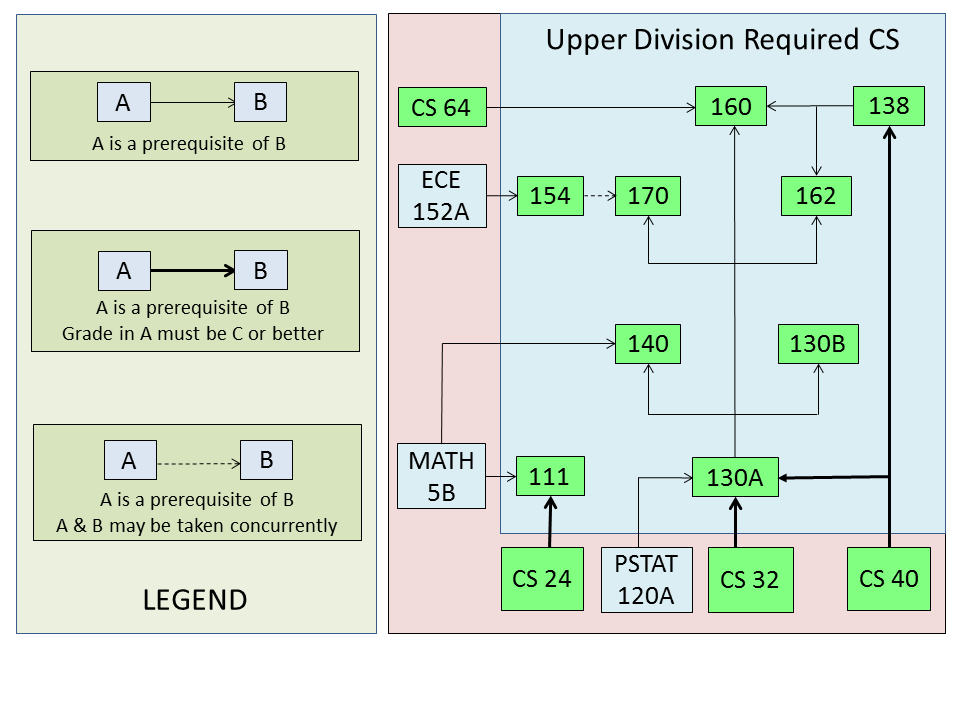
CS Course Diagrams
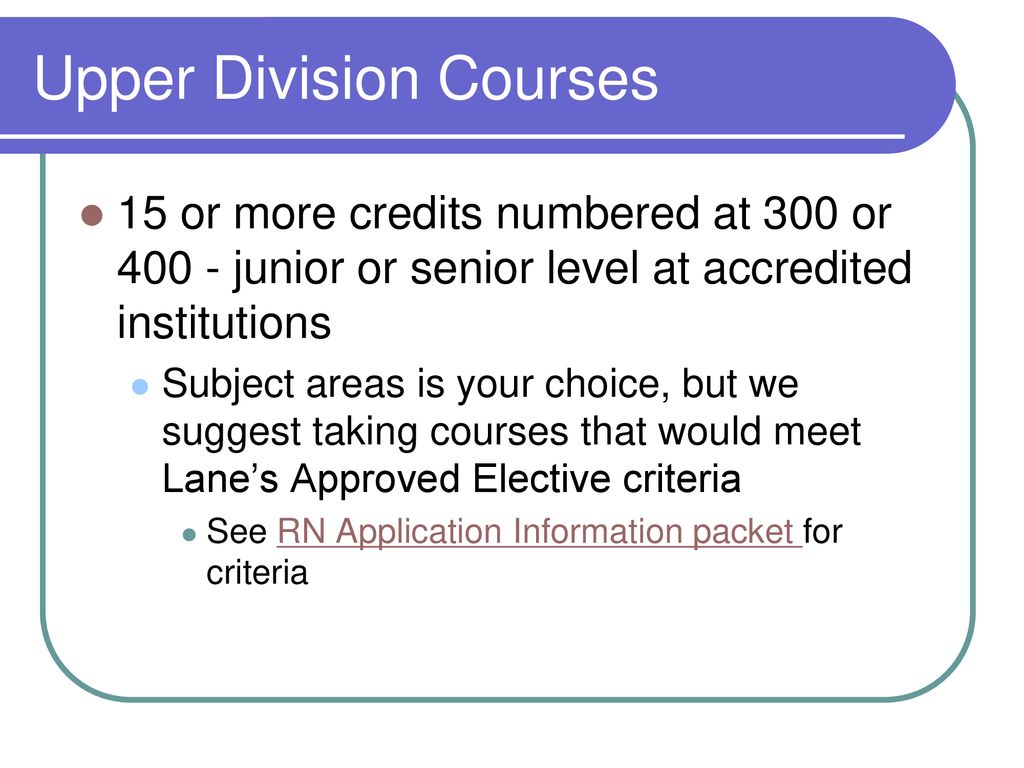
Nursing Program Advising ppt download
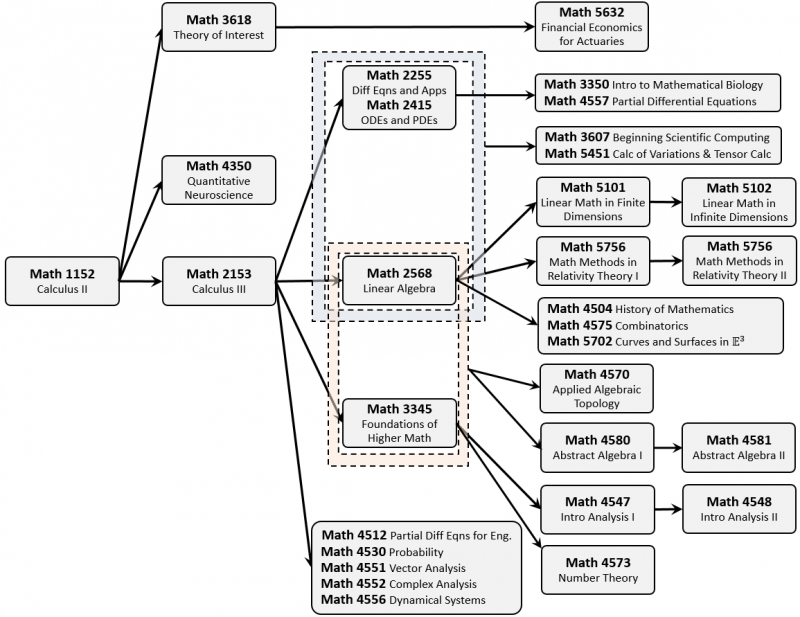
Math Course Progression Department of Mathematics
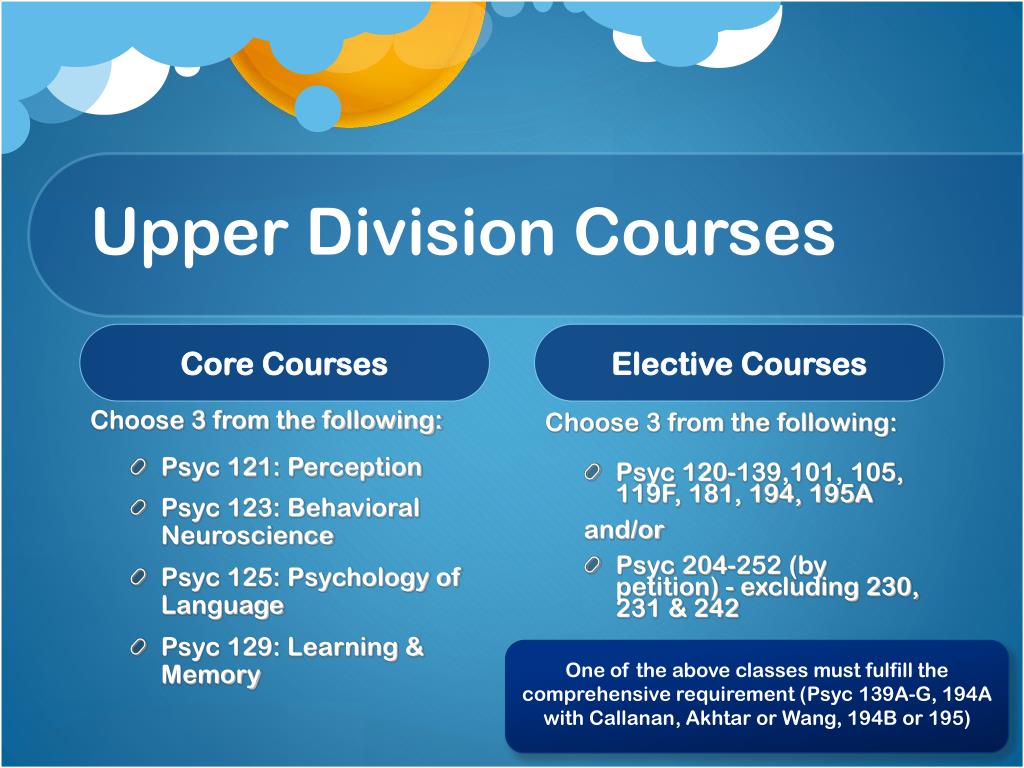
PPT Major Declaration PowerPoint Presentation, free download ID4749898
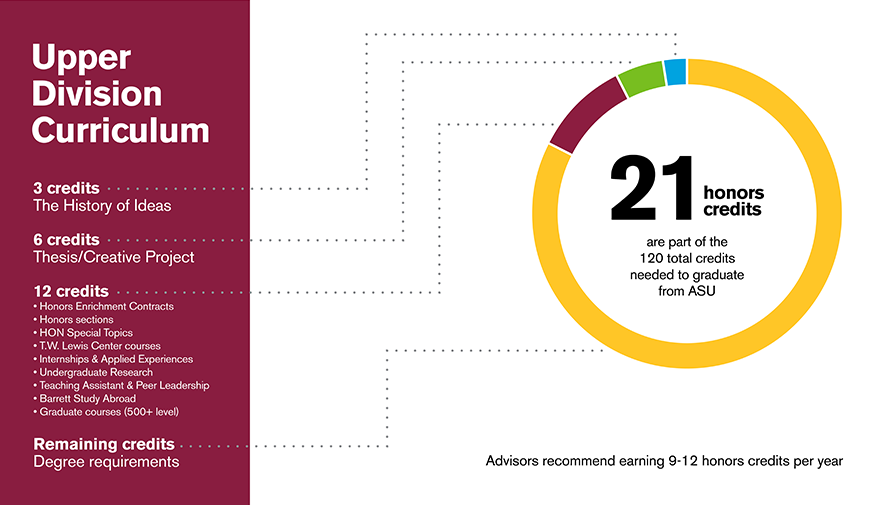
Upper Division Curriculum Barrett, The Honors College ASU

Summary of five universities and associated upperdivision course

Are Upper Division Courses Harder Than Lower Divs? YouTube
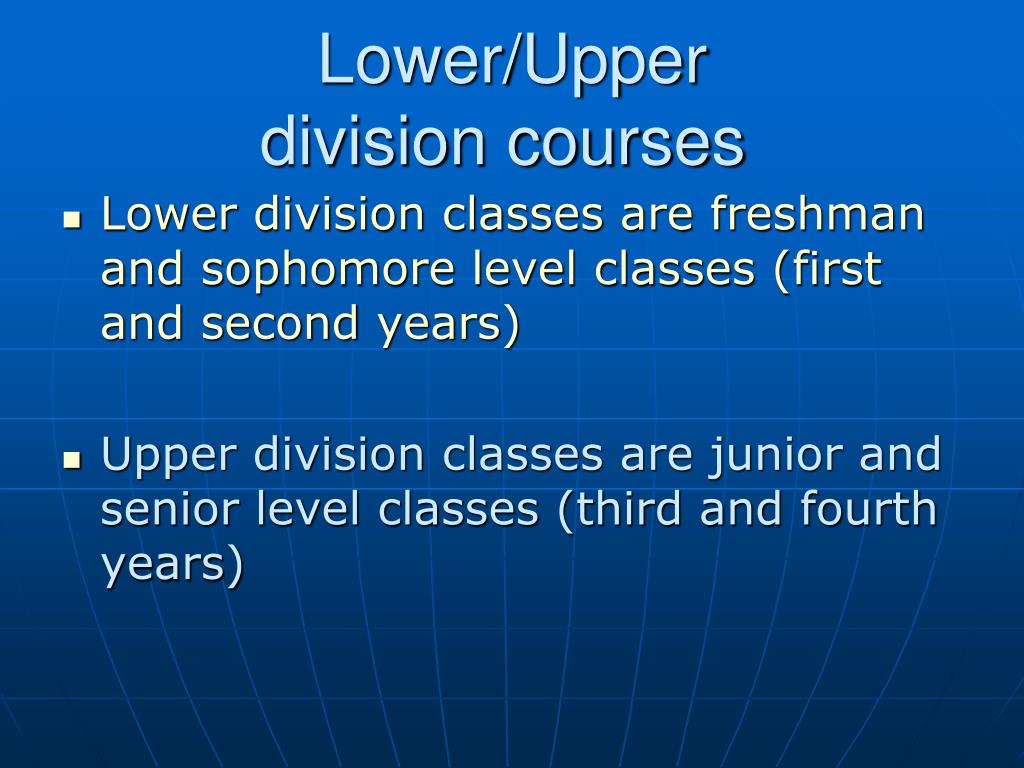
PPT Palomar College Orientation PowerPoint Presentation, free
Upper Division Courses Are Courses Offered At The Junior Level Or Higher.
They May Have Prerequisites And Other Restrictions, And Some May Apply To Graduate.
An Upper Division Course Is A More Advanced Class Taken In The Later Years Of College, Typically In The Junior Or Senior Year.
In The U.s., It Refers To Typically 3Rd And 4Th Year Courses, Especially In The Major Area.
Related Post: