
Slalom Course Diagram
Slalom Course Diagram - We will start stubbies with sets of 10 to 15 gates set at a distance of 9 to 12 meters. The first part of the slalom progression is run with stubbies. The general rules for setting the slalom courses are: Water skiers zig zag through a slalom course in order to challenge themselves and have more fun. Training on varied terrain with different gate configurations to adapt to diverse racing scenarios. The design and operation of this course allow for a longer set up time and no more need for “j turns” into the course, or quick pullouts while the boat is still accelerating. At the top of the course, the slalom skier (or snowboarder) makes their way to the first gate, which will always be red. If a subject fell during a run they were required to complete a deep water start and restart the pass they. Check out our official diagram and dimensions. The number of gates used is between 55 to 75 for men, and between 40 to 60 for women. At the top of the course, the slalom skier (or snowboarder) makes their way to the first gate, which will always be red. Course options include 2 to 8. Here are the basic rules explained: Slalom skiers race through gates, each of which is a pair of flags or poles. The first laps that we run will be aided by. The design and operation of this course allow for a longer set up time and no more need for “j turns” into the course, or quick pullouts while the boat is still accelerating. Slalom courses are comprised of open gates and a combination of closed gates including hair pins, flushes, royal flushes and delayed gates. A slalom course consists of a series of alternating pairs of blue and red gates. Training on varied terrain with different gate configurations to adapt to diverse racing scenarios. Using video technology to review and. The first part of the slalom progression is run with stubbies. A slalom course consists of a series of alternating pairs of blue and red gates. The graphic below depicts a basic slalom course design and how a. We will start stubbies with sets of 10 to 15 gates set at a distance of 9 to 12 meters. Training on. We will start stubbies with sets of 10 to 15 gates set at a distance of 9 to 12 meters. Here are the basic rules explained: The ski slalom course is a zigzagging track marked by a series of gates, which are pairs of red and blue flags or poles. A slalom course consists of a series of alternating pairs. To draw a picture of the slalom course. If a subject fell during a run they were required to complete a deep water start and restart the pass they. The ski slalom course is a zigzagging track marked by a series of gates, which are pairs of red and blue flags or poles. Water skiers zig zag through a slalom. The first part of the slalom progression is run with stubbies. While inspecting a racecourse, develop. At the top of the course, the slalom skier (or snowboarder) makes their way to the first gate, which will always be red. The design and operation of this course allow for a longer set up time and no more need for “j turns”. We will start stubbies with sets of 10 to 15 gates set at a distance of 9 to 12 meters. The first laps that we run will be aided by. Slalom skiers race through gates, each of which is a pair of flags or poles. Using video technology to review and. The first part of the slalom progression is run. Usa waterski also has a chart with a diagram. A slalom course consists of a series of alternating pairs of blue and red gates. Course options include 2 to 8. We will start stubbies with sets of 10 to 15 gates set at a distance of 9 to 12 meters. Seeking a greater challenge, you start thinking of putting in. The general rules for setting the slalom courses are: Using video technology to review and. Figure 2 shows a diagram of the slalom course and the path the skier would follow. The number of gates used is between 55 to 75 for men, and between 40 to 60 for women. The ski slalom course is a zigzagging track marked by. Course options include 2 to 8. Check out our official diagram and dimensions. The first laps that we run will be aided by. *the gradient of the slalom. Using video technology to review and. Using video technology to review and. If a subject fell during a run they were required to complete a deep water start and restart the pass they. *the gradient of the slalom. A slalom course consists of a series of alternating pairs of blue and red gates. The ski slalom course is a zigzagging track marked by a series of. Instead, ski race courses are constructed with the gates in a staggered pattern, requiring tight turns. The official slalom course diagram for years water skiers have set up their race courses while studying a diagram that is a flat out lie. The first laps that we run will be aided by. Here are the basic rules explained: We will start. The official slalom course diagram for years water skiers have set up their race courses while studying a diagram that is a flat out lie. The ski slalom course is a zigzagging track marked by a series of gates, which are pairs of red and blue flags or poles. A slalom course consists of a series of alternating pairs of blue and red gates. Slalom courses are comprised of open gates and a combination of closed gates including hair pins, flushes, royal flushes and delayed gates. To draw a picture of the slalom course. Instead, ski race courses are constructed with the gates in a staggered pattern, requiring tight turns. Course options include 2 to 8. The iwsf site provides an official slalom course diagram, while think waterski offers diagrams of course layouts. The graphic below depicts a basic slalom course design and how a. Figure 2 shows a diagram of the slalom course and the path the skier would follow. *the gradient of the slalom. If a subject fell during a run they were required to complete a deep water start and restart the pass they. Here are the basic rules explained: Water skiers zig zag through a slalom course in order to challenge themselves and have more fun. Seeking a greater challenge, you start thinking of putting in a slalom course and maybe getting into competition. Training on varied terrain with different gate configurations to adapt to diverse racing scenarios.
Utah Water Ski Club Club Rules & Course Maintenance

Gold Coast Water Ski Club, Inc. Ft. Lauderdale, Florida
Pylon slalom course layout at NCX. Download Scientific Diagram
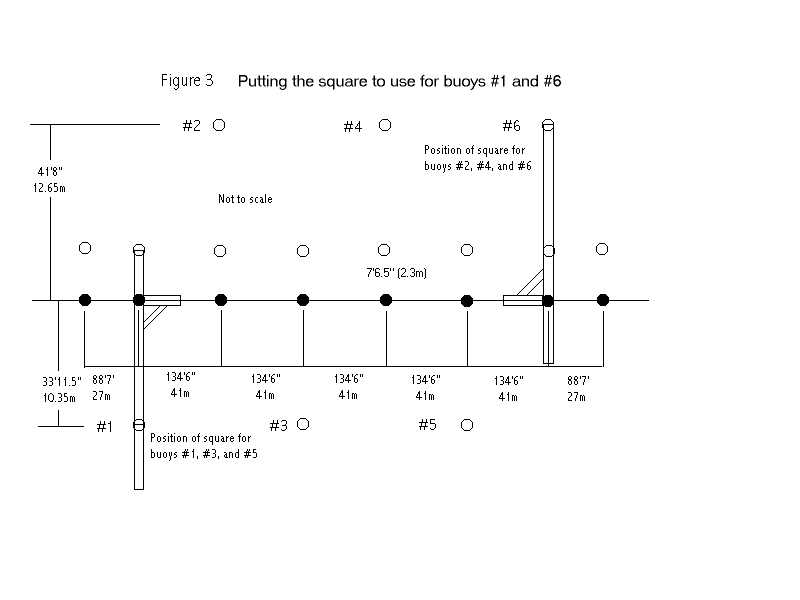
How to lay out a Slalom Course
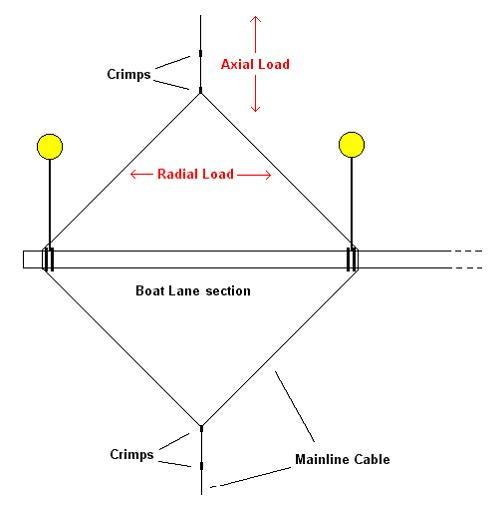
Permanent Heavy Duty EZSlalom Course Kit with pregates
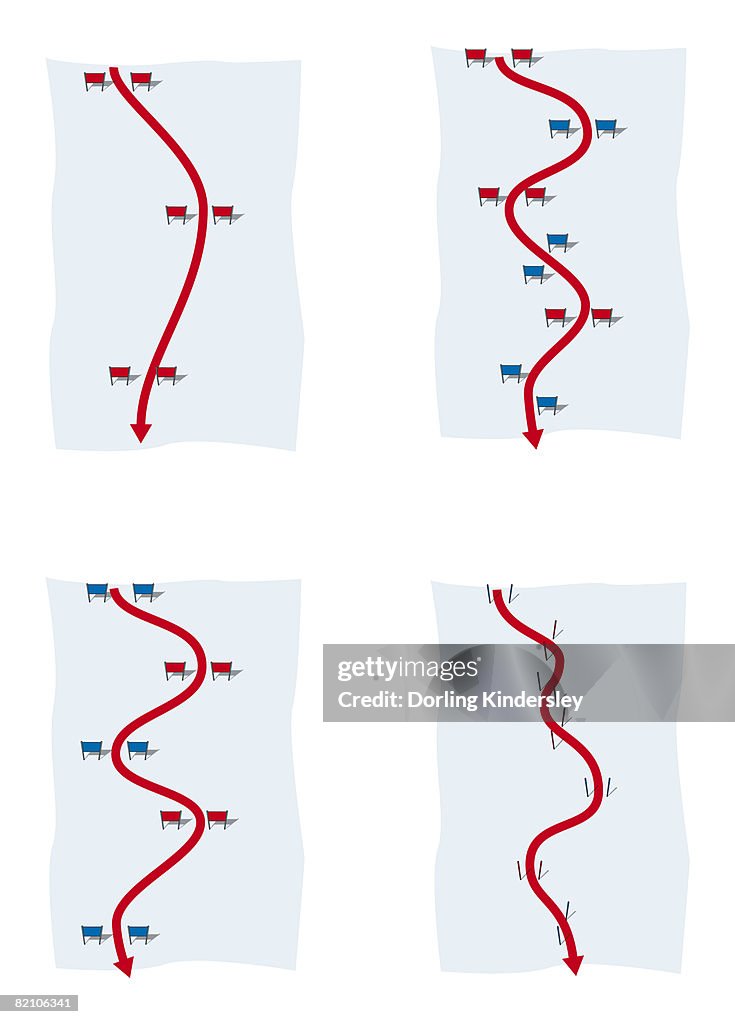
Four Different Alpine Ski Courses Including Downhill Giant Slalom

Layout and sample dimensions of typical slalom course including

Diagram of the slalom dribble test course. Key = cone, n = timing
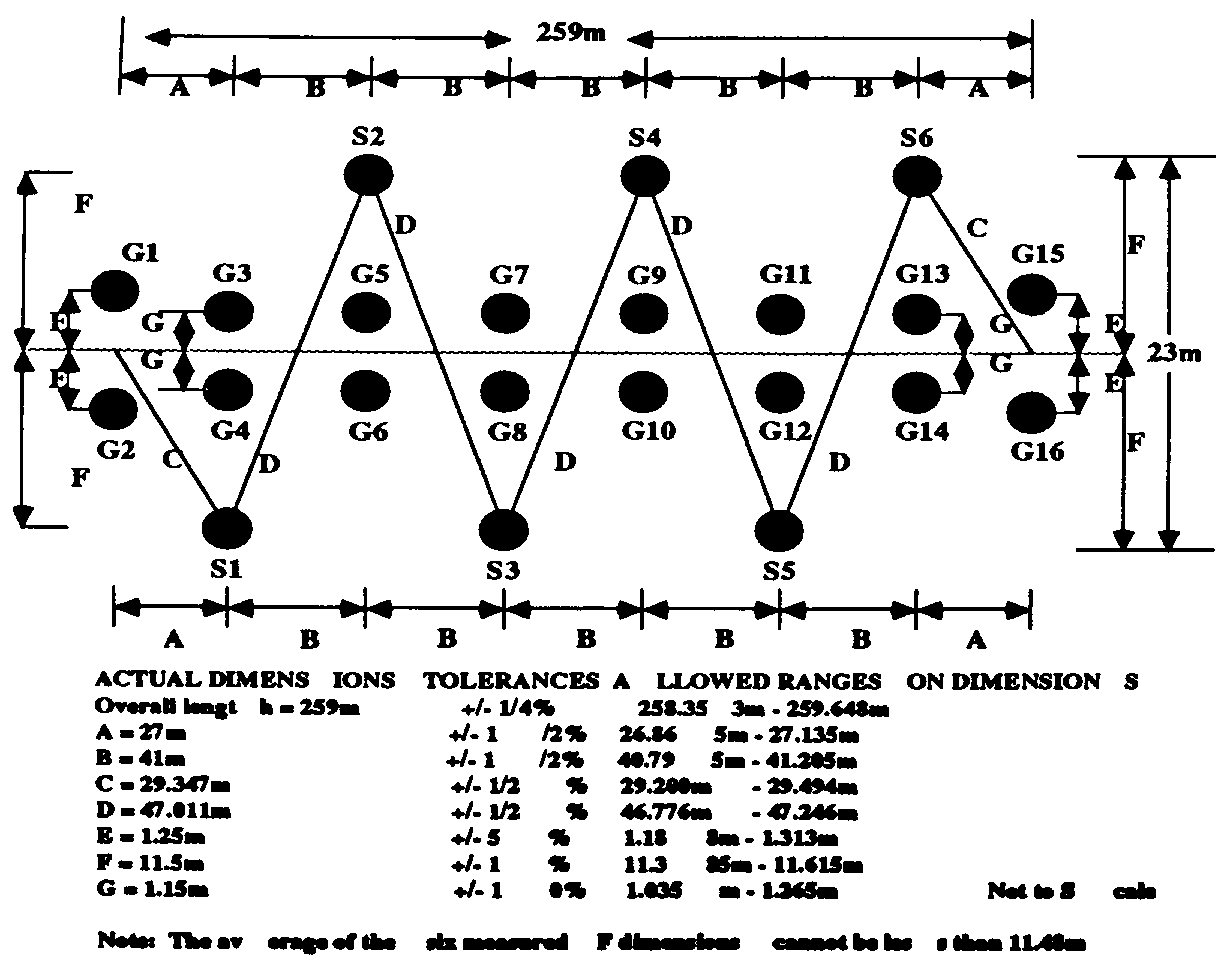
tow sports Below Chart Help Build Your Slalom Waterski Course
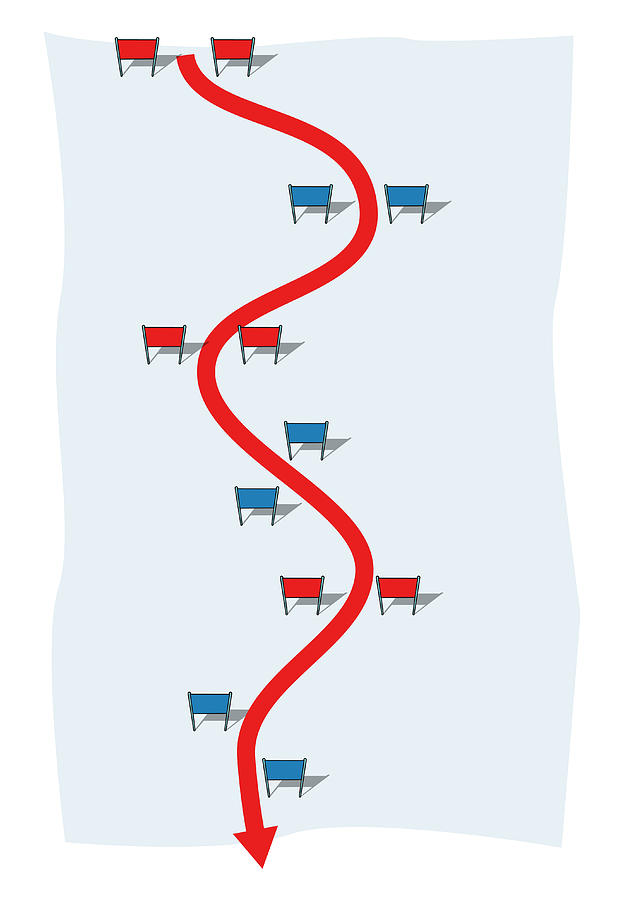
Giant Slalom Course by Dorling Kindersley
At The Top Of The Course, The Slalom Skier (Or Snowboarder) Makes Their Way To The First Gate, Which Will Always Be Red.
The General Rules For Setting The Slalom Courses Are:
Slalom Skiers Race Through Gates, Each Of Which Is A Pair Of Flags Or Poles.
Check Out Our Official Diagram And Dimensions.
Related Post: