
Short Course Vs Long Course Swimming
Short Course Vs Long Course Swimming - In a long course pool, there’s less “foot touching,” less drafting, less crowding at the turns, less crowds in. Here are some differences between the short and long course: In terms of training, both short course and long course swimming have their advantages. On international swimming the distinction between the short course season and the long course season becomes less distinct and more meets are going to the long course standard. The annual swimming calendar is divided into two seasons: The short course season spans early september to late march or early april, while the long course season is the standard for usa swimming’s summer meet schedule and major. Short course pools measure 25 yards or meters, meaning swimmers execute more turns. Long course (lc) events are held in a 50m pool and short course (sc) is held in a 25m pool. There are two types of pool swimming competitions: Swimmers make more turns to swim the same length in a short course race; Understanding the differences between short course and long course swimming can help you tailor your training and race strategy for optimal performance. (although for some of our swimmers who have not yet mastered a turn, the. Short course season runs for the majority of the year, from the end of august to the end of march. Long course season starts at. Swimmers make more turns to swim the same length in a short course race; The annual swimming calendar is divided into two seasons: Take a crowded short course pool and double it: Long course and short course. On this episode of the #askaswimpro show: But what differences should exist between long course vs short course warm up? Most pools in the united states. • swimmers make more turns to swim the same length in a short course race • short. There are two types of pool swimming competitions: The annual swimming calendar is divided into two seasons: Short course vs long course. Unlike short course, where you’re flying through turns, long course is all about pacing, endurance, and maintaining momentum over longer distances. On international swimming the distinction between the short course season and the long course season becomes less distinct and more meets are going to the long course standard. The short course season spans early september to late march or. At its very simplest it refers to the length of the pool you are swimming in. Here are some differences between the short and long course: 1) increases speed, and 2) allows for a period of inactivity. Swimmers need a tried and true warm up plan for their races. Short course pools measure 25 yards or meters, meaning swimmers execute. Long course and short course. The annual swimming calendar is divided into two seasons: The short course season spans early september to late march or early april, while the long course season is the standard for usa swimming’s summer meet schedule and major. Unlike short course, where you’re flying through turns, long course is all about pacing, endurance, and maintaining. On international swimming the distinction between the short course season and the long course season becomes less distinct and more meets are going to the long course standard. Here are some differences between the short and long course: The short course season spans early september to late march or early april, while the long course season is the standard for. At its very simplest it refers to the length of the pool you are swimming in. On this episode of the #askaswimpro show: Each turn does two things: Unlike short course, where you’re flying through turns, long course is all about pacing, endurance, and maintaining momentum over longer distances. Here are some differences between the short and long course: There are two types of pool swimming competitions: The short course season spans early september to late march or early april, while the long course season is the standard for usa swimming’s summer meet schedule and major. The primary difference in “short course vs long course swimming” is pool length. In terms of training, both short course and long course. 1) increases speed, and 2) allows for a period of inactivity. The annual swimming calendar is divided into two seasons: Conversely, in long course, there are four long laps. • swimmers make more turns to swim the same length in a short course race • short. Unlike short course, where you’re flying through turns, long course is all about pacing,. In terms of training, both short course and long course swimming have their advantages. Understanding the differences between short course and long course swimming can help you tailor your training and race strategy for optimal performance. The short course season spans early september to late march or early april, while the long course season is the standard for usa swimming’s. • swimmers make more turns to swim the same length in a short course race • short. At its very simplest it refers to the length of the pool you are swimming in. Short course is significantly faster than long course swimming because of the turns! Swimmers need a tried and true warm up plan for their races. If the. In a long course pool, there’s less “foot touching,” less drafting, less crowding at the turns, less crowds in. The primary difference in “short course vs long course swimming” is pool length. The annual swimming calendar is divided into two seasons: Conversely, in long course, there are four long laps. On international swimming the distinction between the short course season and the long course season becomes less distinct and more meets are going to the long course standard. Most pools in the united states. Unlike short course, where you’re flying through turns, long course is all about pacing, endurance, and maintaining momentum over longer distances. The short course season runs from late august to late march/early april and meets are held in 25 yard pools, where swimming 50 yards is two lengths of the pool. 1) increases speed, and 2) allows for a period of inactivity. Swimmers need a tried and true warm up plan for their races. The short course season spans early september to late march or early april, while the long course season is the standard for usa swimming’s summer meet schedule and major. (although for some of our swimmers who have not yet mastered a turn, the. Short course season runs for the majority of the year, from the end of august to the end of march. Understanding the differences between short course and long course swimming can help you tailor your training and race strategy for optimal performance. On this episode of the #askaswimpro show: Short course pools measure 25 yards or meters, meaning swimmers execute more turns.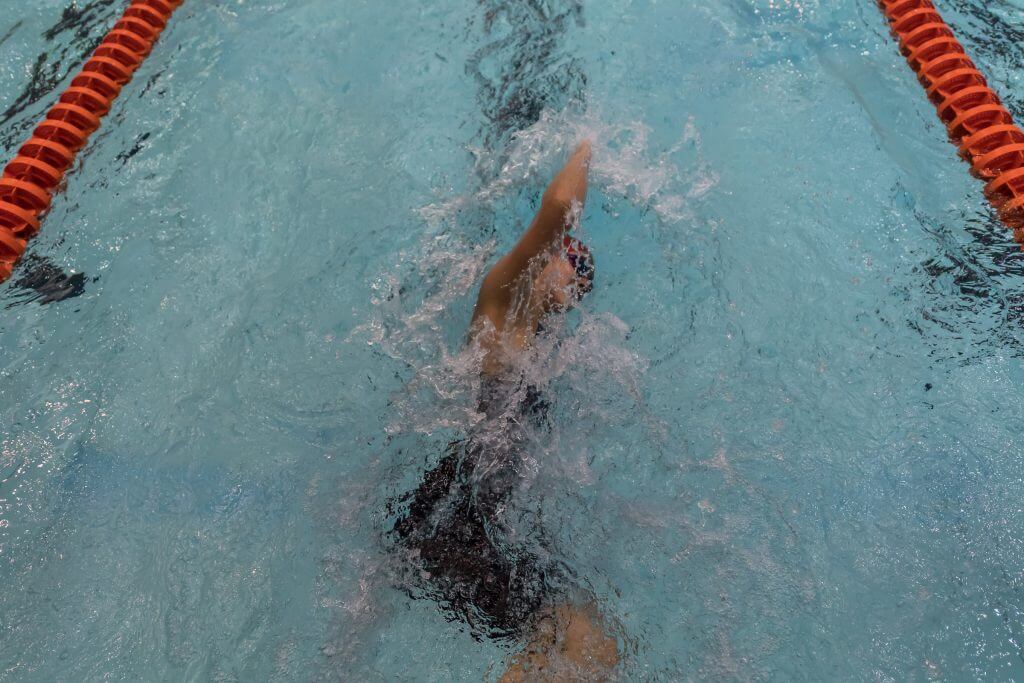
Short Course vs. Long Course The Pros and Cons of Each Pool

Aquatics Cambodia Differences between long course and short course
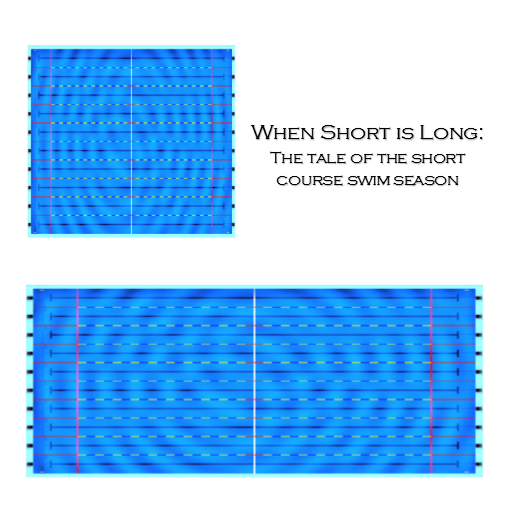
Long Course Season since swimming came along
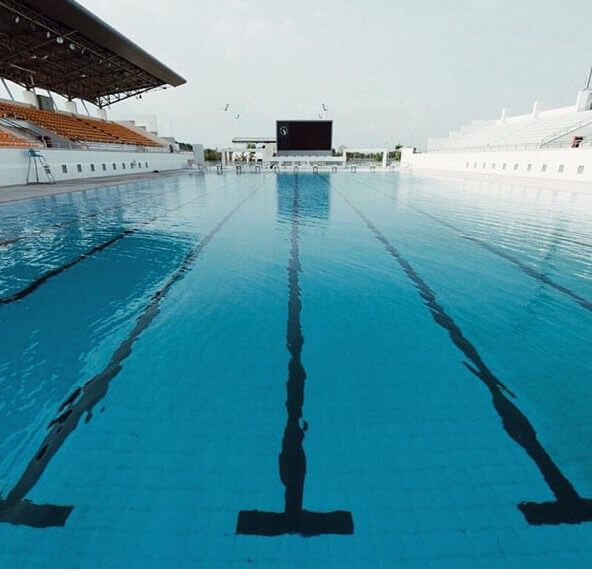
Short Course vs. Long Course The Pros and Cons of Each Pool

Short Course vs Long Course Whiteboard Wednesday YouTube

How to Prepare for Long Course Season

How To Convert Swimming Short and Long Course Meters to Yards Tony
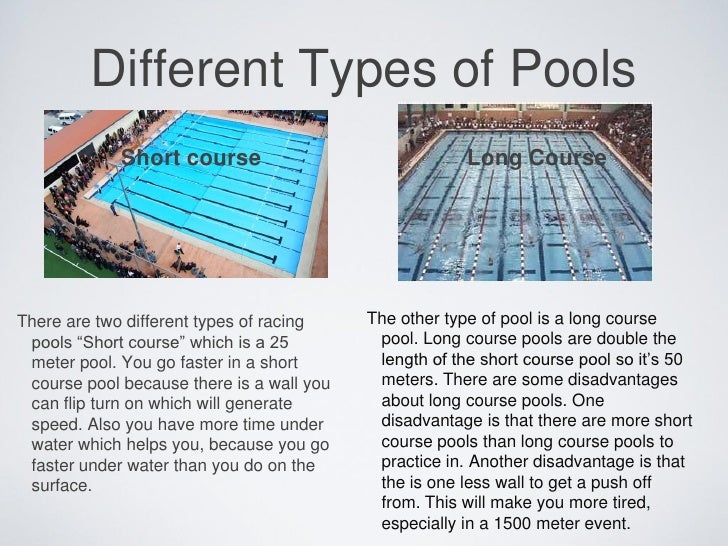
P3 final

Swimming in yards vs. meters Competitive swimming, Swimming, Olympic
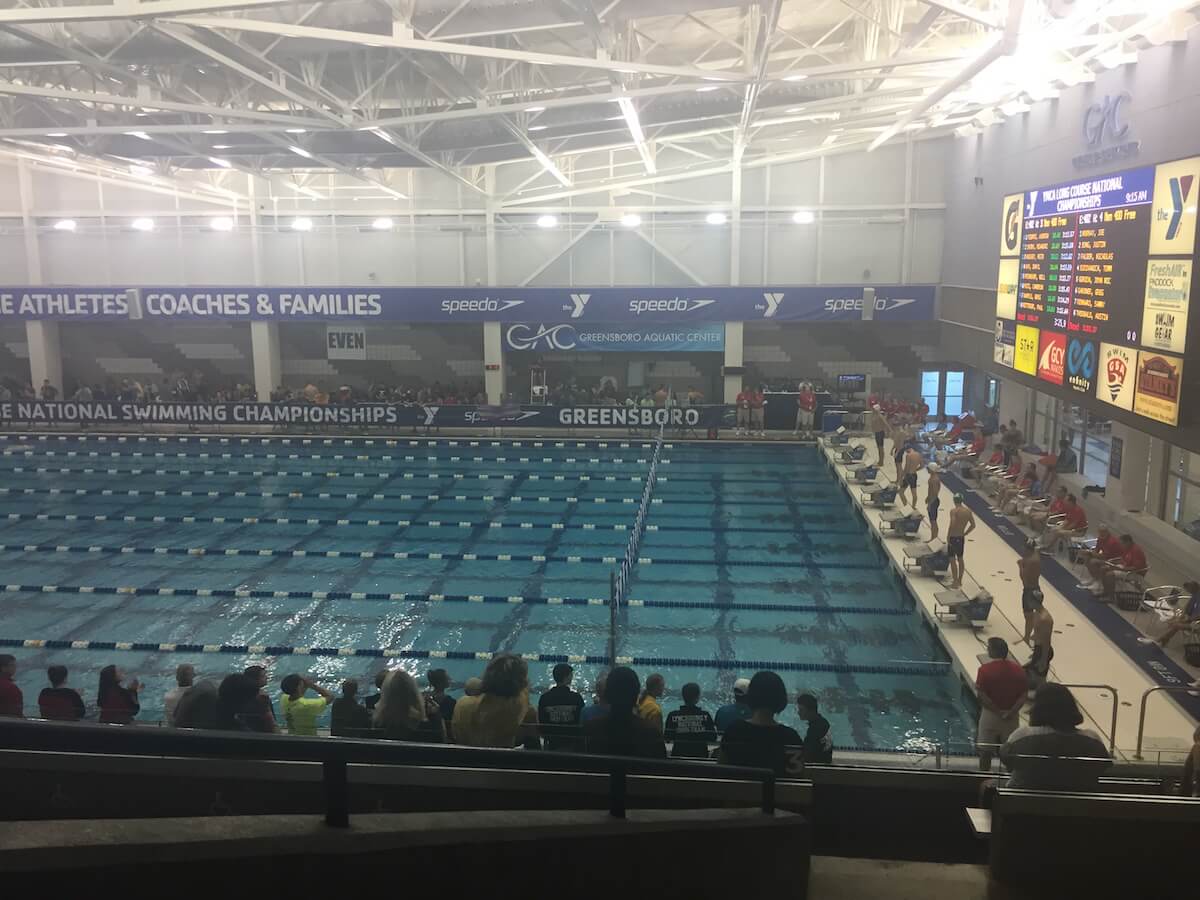
Long Course vs. Short Course A Look At Some Differences
Long Course (Lc) Events Are Held In A 50M Pool And Short Course (Sc) Is Held In A 25M Pool.
But What Differences Should Exist Between Long Course Vs Short Course Warm Up?
Short Course Vs Long Course.
At Its Very Simplest It Refers To The Length Of The Pool You Are Swimming In.
Related Post: