
Description Of Anatomy And Physiology Course
Description Of Anatomy And Physiology Course - This course provides a comprehensive study of the anatomy and physiology of the human body. Describe the regulation of the human body and explain how body systems studied are integrated. The integumentary (skin), skeletal, muscular, nervous, and endocrine (hormone) systems. Anatomy and physiology 1 features lectures and lab (including dissection) dealing with the human body as an integrated structural and functional unit, including anatomical terminology, fundamental concepts of cell biology, histology, integumentary, skeletal, muscular, endocrine, and nervous systems, and the special senses. And the general and special senses. Together, we will explore foundational concepts as well as the structure (anatomy) and function (physiology) of the human body as it pertains to five major body systems: This is an outline of anatomy & physiology courses offered by the life sciences department. While completing this course, you will. Integumentary, cardiovascular, lymphatic, respiratory, urinary, digestive, and reproductive from macroscopic and microscopic viewpoints. Describe how the “big ideas” in anatomy and physiology to develop a context that facilitates deep understanding of key concepts, connections and interdependencies. Integumentary, skeletal, muscular, nervous, cardiovascular, respiratory, digestive, urinary, and reproductive. This course covers the anatomy and physiology of cells, tissues, and the integumentary, skeletal, muscular, and nervous systems within the human body. Contacts office of the registrar. The curriculum provides a basis for students to develop a strong conceptual understanding of the following human body systems: Learners will develop essential anatomical knowledge, understand the relationship between structure and function, and explore homeostasis. Integumentary, cardiovascular, lymphatic, respiratory, urinary, digestive, and reproductive from macroscopic and microscopic viewpoints. Course prerequisites/requirements, what you’ll learn, transcript, or other course descriptions. Fundamental concepts and principles of cell physiology; The course will guide the learners through the human body, as organized conceptually by organ systems, to reinforce understanding of basic concepts of anatomy and physiology and human health and disease. Joseph nunez email [email protected] instructor office hours by appointment using go to meeting section number biol 237 145334 remote meeting times lab: Most anatomy courses are taught independently and in a single term, and the number of newly accredited pa programs since 2019 did not shift emphases on laboratory instruction. Skeletal, muscular, nervous, endocrine, cardiovascular, respiratory, digestive, urinary, and reproductive. Describe the regulation of the human body and explain how body systems studied are integrated. Topics include basic anatomical and directional terminology;. Course activities include lectures and laboratory sessions. This anatomy and physiology course is an introduction to the human body and how it functions. Use a thematic framework to make sense of the different components of anatomy and physiology. Learners will develop essential anatomical knowledge, understand the relationship between structure and function, and explore homeostasis. The integumentary (skin), skeletal, muscular, nervous,. This is an outline of anatomy & physiology courses offered by the life sciences department. The integumentary, skeletal, muscular, and nervous systems; This course provides a comprehensive study of the anatomy and physiology of the human body. 104 martindale student services center. An integrated course covering the fundamental principles of human anatomy and physiology. This course includes a study of the cells, chemistry, and tissues of the integumentary, skeletal, muscular, nervous, and endocrine systems. This anatomy and physiology course is an introduction to the human body and how it functions. Each course is intended for a different group of students, primarily distinguished by the allied health program the student is planning to enroll in.. Integumentary, skeletal, muscular, nervous, cardiovascular, respiratory, digestive, urinary, and reproductive. This course includes a study of the cells, chemistry, and tissues of the integumentary, skeletal, muscular, nervous, and endocrine systems. The student will study basic chemistry, cells, tissues, and the following body systems: This program requires a ba or bs degree and a strong science foundation with at least five. Integumentary, skeletal, muscular, nervous, cardiovascular, respiratory, digestive, urinary, and reproductive. This course will guide you through the various body systems as you learn how they function and interact with each other to maintain health and homeostasis. Integumentary, skeletal, muscular, nervous and special senses. Course prerequisites/requirements, what you’ll learn, transcript, or other course descriptions. Describe the regulation of the human body. Master's degree in medical anatomy & physiology master's degree in physiology and aging. An integrated course covering the fundamental principles of human anatomy and physiology. Contacts office of the registrar. Fundamental concepts and principles of cell physiology; The integumentary, skeletal, muscular, and nervous systems; Search courses by title, code, department, or description. The integumentary, skeletal, muscular, and nervous systems; Use a thematic framework to make sense of the different components of anatomy and physiology. Describe how the “big ideas” in anatomy and physiology to develop a context that facilitates deep understanding of key concepts, connections and interdependencies. Integumentary, skeletal, muscular, nervous and special senses. The phenomenally successful principles of anatomy and physiology continues to set the discipline standard with the 15th edition. Students will learn the terminology, anatomy and physiology, and pathology of each body system and how they interrelate to maintain homeostasis. This course will guide you through the various body systems as you learn how they function and interact with each other to maintain health. An integrated course covering the fundamental principles of human anatomy and physiology. Search courses by title, code, department, or description. The curriculum provides a basis for students to develop a strong conceptual understanding of the following human body systems: This course provides a comprehensive study of the anatomy and physiology of the human body. Integumentary, cardiovascular, lymphatic, respiratory, urinary, digestive,. Master's degree in medical anatomy & physiology master's degree in physiology and aging. The course will guide the learners through the human body, as organized conceptually by organ systems, to reinforce understanding of basic concepts of anatomy and physiology and human health and disease. It is a study of the structure and function of the human body including cells, tissues and organs of the following systems: This anatomy and physiology course is an introduction to the human body and how it functions. This course provides a comprehensive study of the anatomy and physiology of the human body. Describe how the “big ideas” in anatomy and physiology to develop a context that facilitates deep understanding of key concepts, connections and interdependencies. This course is designed for the study of basic human anatomy and physiology, including anatomical terminology, basic biochemistry, cells, and the following systems: Course activities include lectures and laboratory sessions. Integumentary, skeletal, muscular, nervous and special senses. And the integumentary, skeletal, muscular, nervous systems and special senses. Students will learn the terminology, anatomy and physiology, and pathology of each body system and how they interrelate to maintain homeostasis. Topics include basic anatomical and directional terminology; The curriculum provides a basis for students to develop a strong conceptual understanding of the following human body systems: Describe the major anatomical components of each human body system studied, describe briefly their anatomical locations and general structures, and explain their physiological functions at both the organ and cellular levels. Use a thematic framework to make sense of the different components of anatomy and physiology. Topics include the structure, function, and interrelationship of organ systems with emphasis on the processes which maintain homeostasis.
Anatomy & Physiology Course Description
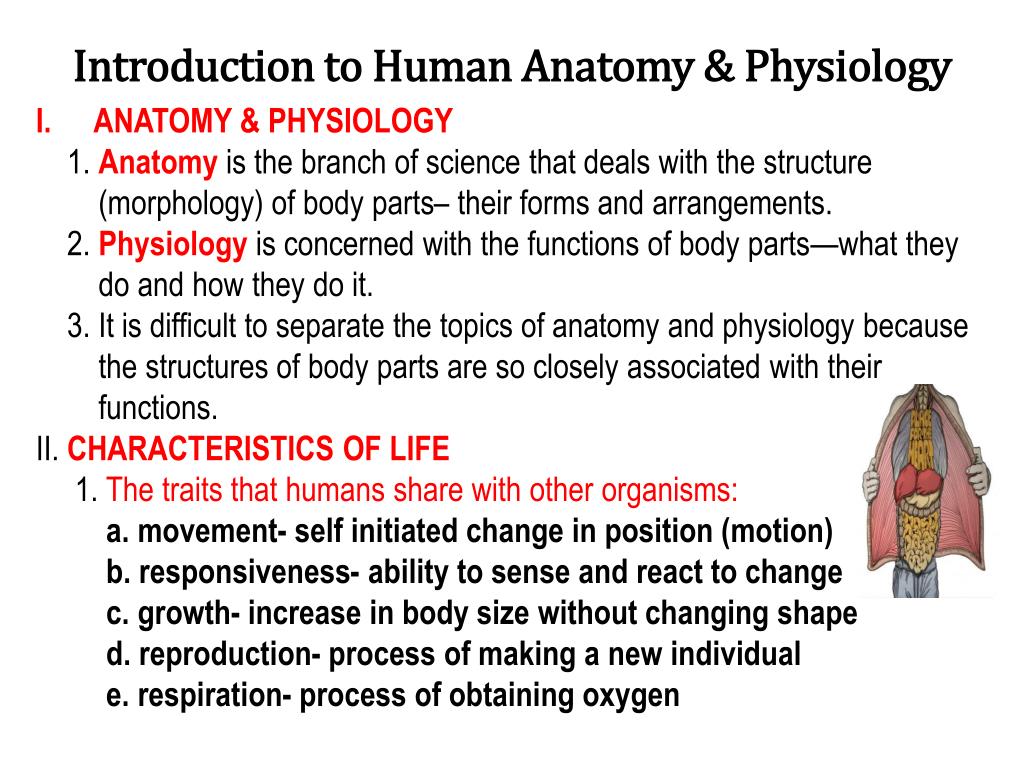
Drab Anatomy And Physiology Of Human Free Vector Www

Anatomy and Physiology Course Package Oak Meadow
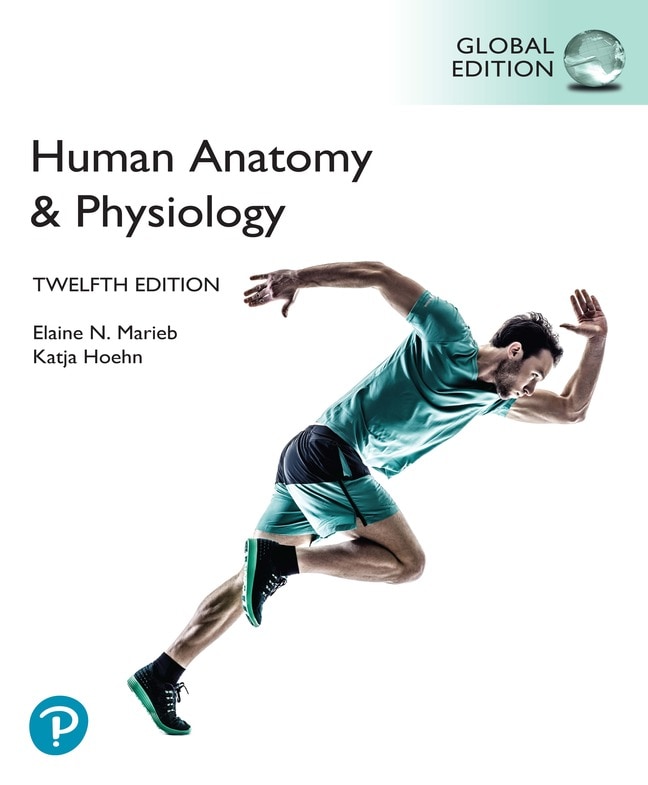
Mastering Anatomy & Physiology Higher Education Pearson UK

Anatomy & Physiology 1 lecture

What Is The Anatomy And Physiology ANATOMY

Introductory Anatomy and Physiology Course Guide BIOH11005

Anatomy and Physiology Course Syllabus 2013
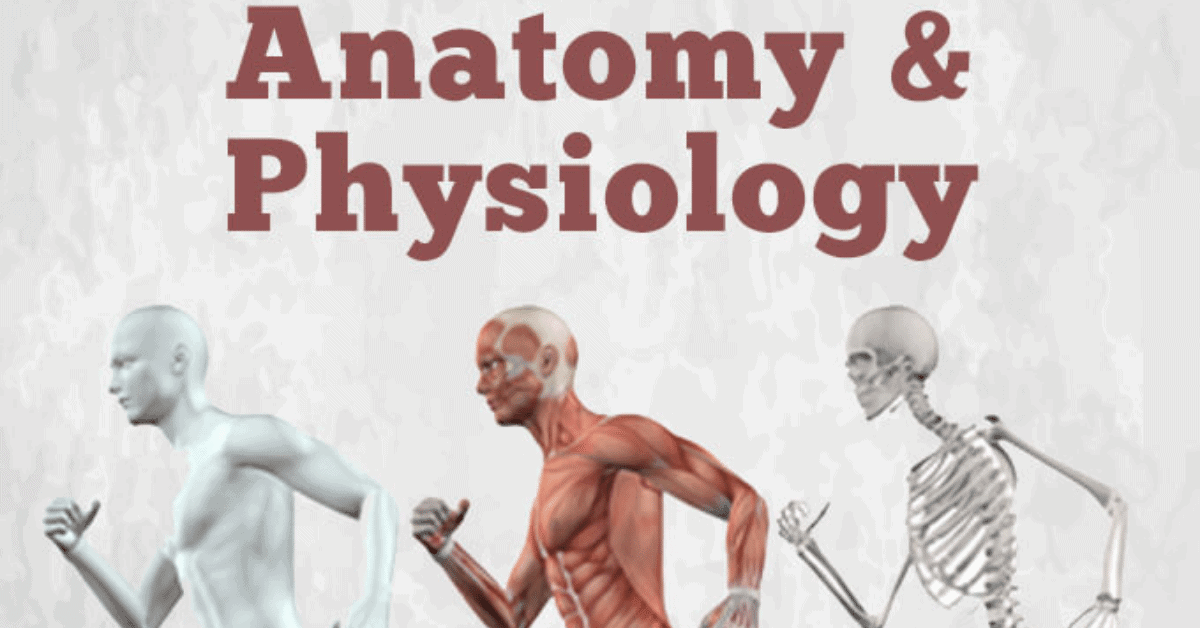
Free Anatomy And Physiology 2e Textbook For Download, 52 OFF

Human Anatomy and Physiology Course UCLA Extension
The Integumentary, Skeletal, Muscular, And Nervous Systems;
This Program Requires A Ba Or Bs Degree And A Strong Science Foundation With At Least Five Full Semester Courses Related To Biology, Chemistry And/Or Physics.
Anatomy And Physiology 1 Features Lectures And Lab (Including Dissection) Dealing With The Human Body As An Integrated Structural And Functional Unit, Including Anatomical Terminology, Fundamental Concepts Of Cell Biology, Histology, Integumentary, Skeletal, Muscular, Endocrine, And Nervous Systems, And The Special Senses.
This Is An Outline Of Anatomy & Physiology Courses Offered By The Life Sciences Department.
Related Post: