
Audit A Course Definition
Audit A Course Definition - Auditing a class means enrolling in a college course without intending to earn a grade or credit (no homework or exams). Auditing a class lets you take a break from your studies. Auditing a course gives you the chance to attend a college class as an observer without the pressures of working for a grade. Because the auditing process is formal, you will learn. In the diverse landscape of college education, there's a unique and often overlooked path: Auditing a class means taking a college course without receiving credit for it. You can learn more about a new subject. Rather than working toward the completion of a degree, people audit courses for. An audited course is a class that a student attends and participates in without receiving academic credits or grades. Auditing a class is a practice that allows students to sit in on a college class without earning credits. Auditing is a practice that lets you sit in on college classes without earning a grade or credit. Antisemitic activities or statements that take place in private venues (e.g., at a private meeting) or in a manner that. Auditing a course means a student can take classes but cannot be graded or given credit for a particular course. Because the auditing process is formal, you will learn. It is usually done for academic exploration and self. Instead of learning to complete a degree program, students audit classes to learn. Auditing a class is a practice that allows students to sit in on a college class without earning credits. How does auditing a course work? Auditing a class means enrolling in a college course without intending to earn a grade or credit (no homework or exams). It is also possible to audit. Essentials of a corporate training audit checklist here are the elements of a. Auditing a course simply means attending a class without receiving credit for the class. Auditing a course gives you the chance to attend a college class as an observer without the pressures of working for a grade. Antisemitic activities or statements that take place in private venues. It is usually done for academic exploration and self. Antisemitic activities or statements that take place in private venues (e.g., at a private meeting) or in a manner that. Each institution has different rules for auditing classes, but most allow it. Encouraging open communication and collaboration creates a more transparent audit process. Auditing a course allows a student to take. Instead of learning to complete a degree program, students audit classes to learn. Auditing a class means taking a college course without receiving credit for it. It is also possible to audit. As you do not receive a grade at the end of the term, you can focus less on that class. Auditing a course simply means attending the course. Because the auditing process is formal, you will learn. It is also possible to audit. The main purpose of auditing a course is to gain knowledge and expand. You'll then dive into it audit. The audit excludes the following types of incidents: Antisemitic activities or statements that take place in private venues (e.g., at a private meeting) or in a manner that. Essentially, you're just there to learn the content out of interest or. In the diverse landscape of college education, there's a unique and often overlooked path: An audited course is a class that a student attends and participates in without. Auditing a course gives you the chance to attend a college class as an observer without the pressures of working for a grade. Auditing a course in college typically means that you're attending a course without receiving any credit or a grade for it. Auditing a class is a common practice in higher education where students are allowed to attend. As you do not receive a grade at the end of the term, you can focus less on that class. You can learn more about a new subject. An audited class will typically appear on your transcript as au or audit, but it won't affect your gpa. In the diverse landscape of college education, there's a unique and often overlooked. It is also possible to audit. Students attend lectures and have access to course. The course starts with cybersecurity fundamentals, distinguishing information security from cybersecurity, and exploring organizational structures. Encouraging open communication and collaboration creates a more transparent audit process. Auditing a course simply means attending the course as an observer, without being required to participate in assignments, exams, or. The primary purpose is to gain knowledge and experience in the subject without worrying. An audited course is a class that a student attends and participates in without receiving academic credits or grades. An audited class will typically appear on your transcript as au or audit, but it won't affect your gpa. Auditing a course allows a student to take. It is also possible to audit. Auditing a course allows a student to take a class without the benefit of a grade or credit for a course. An audited class will typically appear on your transcript as au or audit, but it won't affect your gpa. Auditing a class means enrolling in a college course without intending to earn a. Auditing a class is a practice that allows students to sit in on a college class without earning credits. You can learn more about a new subject. Auditing a class means taking a college course without receiving credit for it. The main purpose of auditing a course is to gain knowledge and expand. Essentials of a corporate training audit checklist here are the elements of a. Antisemitic activities or statements that take place in private venues (e.g., at a private meeting) or in a manner that. Auditing a course gives you the chance to attend a college class as an observer without the pressures of working for a grade. As you do not receive a grade at the end of the term, you can focus less on that class. An audited class will typically appear on your transcript as au or audit, but it won't affect your gpa. Auditing a course allows a student to take a class without the benefit of a grade or credit for a course. The concept of auditing, or attending a college course. In the diverse landscape of college education, there's a unique and often overlooked path: Auditing a course simply means attending a class without receiving credit for the class. Auditing a class means enrolling in a college course without intending to earn a grade or credit (no homework or exams). You'll then dive into it audit. It is usually done for academic exploration and self.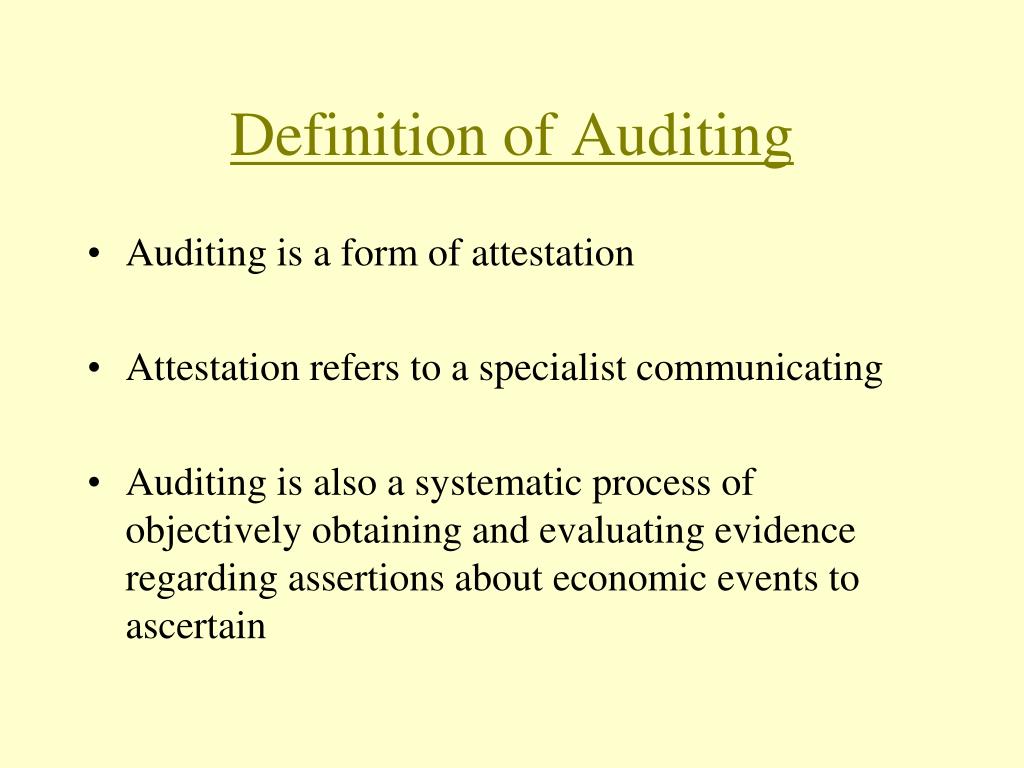
PPT AUDITING SECTION 1 PowerPoint Presentation ID337739

How To Audit A Coursera Course (2025) Complete Guide

Independent Study What It Is and How It Works BestColleges

How To Audit Coursera Courses In 2025 (Easy Guide)

5 Time Saving Factors When Auditing Your Courses World's Largest

Audit 13 1. Definition of auditing 2. Purpose and scope of auditing
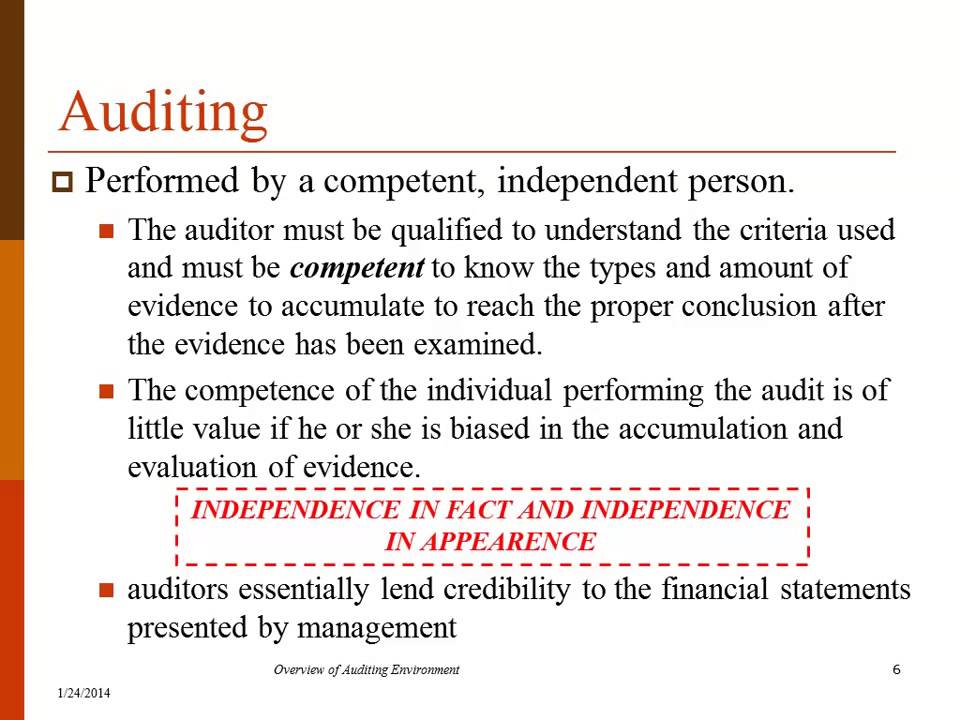
Definition of Auditing YouTube

Class notes audit Definition and objective of audit An audit is an
Types of Audit Training Courses Find Your Program
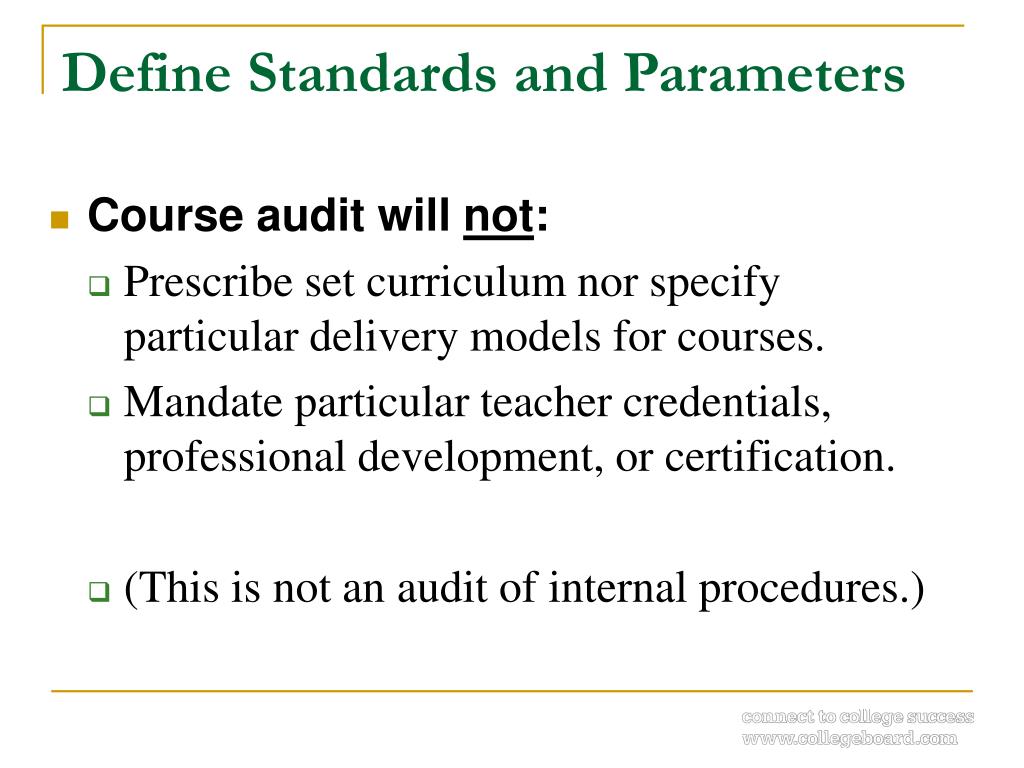
PPT PowerPoint Adapted from The AP Course Audit and Other AP Program
Students Attend Lectures And Have Access To Course.
Instead Of Learning To Complete A Degree Program, Students Audit Classes To Learn.
Auditing A Course Means A Student Can Take Classes But Cannot Be Graded Or Given Credit For A Particular Course.
Because The Auditing Process Is Formal, You Will Learn.
Related Post: